UK Adopts Big Bass Crash Title Player First Approach
Written by Mafken FM Newsroom on 8 June 2026
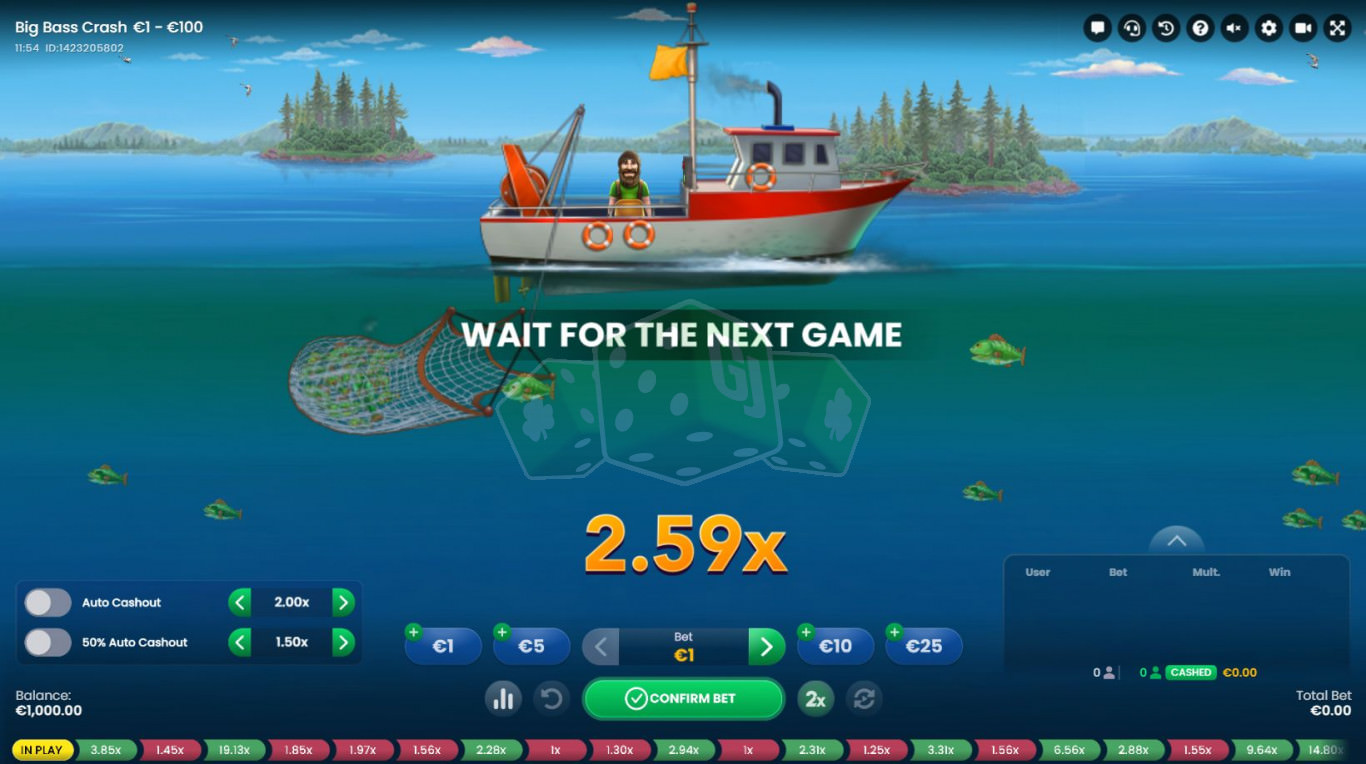
The fight for attention in digital gaming is fierce. Developers frequently rely on stunning visuals or relentless advertising. But a different approach is taking shape. True lasting success doesn’t rely on tricks. It originates from a straightforward notion: value the gamer. This is known as a “gamer-first” philosophy. It means clear rules, honest gameplay, and allowing the community to steer a game’s development, as opposed to pursuing fast profits. The UK market, famous for its knowledgeable gamers and strict rules, shows this perfectly. Consider the Big Bass Crash title. Its ascent is no accident. It’s an obvious lesson. When a game’s design aligns with what players truly value, it creates a devoted community. This synergy is changing what people expect. It proves that in today’s online landscape, the most intelligent approach is to let the player take the lead.
Understanding the “Players First” Philosophy in Gaming
“Player-Centric” is more than a slogan. It’s a plan that molds a title from the ground up. It influences how the game functions, how the developers communicate with customers, and how it improves over time. The old approach saw users as consumers. The new paradigm treats them as collaborators. This collaboration calls for fair mechanics, not methods that prey on behavior. It requires clear, upfront information on any currency spent. And it means paying attention when users give opinions. In places like the UK, with strict consumer laws, this philosophy fits seamlessly with both the law and the local culture. For a product like Big Bass Crash, it’s about building confidence through reliable mechanics. The thrill should stem from the title itself, not from obscured rates or a pressure to keep spinning. The effect is a better setting that benefits everyone.
Why the British market remains Particularly Open
The UK’s internet casino market is among the most mature and tightly regulated anywhere https://bigbasscrash.eu/. This has fostered a user group that is both properly shielded and very discerning. A history of regulatory changes have informed players about their protections and what honest, ethical design looks like. They are swift to abandon games that feel deceptive or lack openness. Big Bass Crash, with its transparent mechanics, emphasis on controlled choices, and easy fit with player protection tools, integrates seamlessly with this environment. It meets legal standards not as a tedious necessity, but as a fundamental design goal. Its increasing traction demonstrates a market selecting a preference. Players are selecting a product that reflects their principles. They prefer direct, entertaining, and respectfully made games over those that depend solely on flashy distractions or addictive cycles.
Safe Gaming Integration in Design
A true Player First philosophy must consistently support safe play. Here, the entire structure of Big Bass Crash includes built-in safeguards. The title is built on short, distinct rounds. This creates natural stopping points, unlike the endless, auto-play loops of some slots. Reputable UK platforms add to this by including mandatory tools like deposit limits, session timers, and direct links to support services such as GamStop and GamCare. The game’s simple design also helps with self-awareness. Because the main action is a one-time, thoughtful cash-out decision, users might become more conscious of their wagers compared to the quick, machine-driven play of different genres. This design shows that safe play can be part of the game’s core, not just a afterthought in the small print.
Openness and Impartiality as Essential Pillars
UK users, influenced by tough regulations from the UK Gambling Commission, do not consider transparency as a perk. They see it as a entitlement. Big Bass Crash fulfills this demand head-on. The chance of each crash is checkable and secure. The game typically utilizes certified Random Number Generator (RNG) mechanisms that endure regular audits. It makes no claim to be a expertise game where it isn’t. Alternatively, it positions itself fairly as a game of chance with one distinct instance of planning. This integrity fosters a name. Players can engage knowing the system’s honesty is a focus, which is a cornerstone of responsible play. The opposite method—a feeling that results are manipulated or unclear—destroys confidence rapidly. It is a trap the product’s developers meticulously sidestep.
The Way Big Bass Crash Reflects Core Player-Centric Values
Big Bass Crash puts its player-first promises into practice through specific design elements. The main game mechanic is a multiplier that climbs a curve until a random “crash” takes place. Aesthetically, it’s simple. Players understand the risk and reward instantly. There are no hidden mini-games or confusing bonus features to complicate the picture. This clarity is paramount. The game also avoids elaborate stories or complex leveling systems that might coerce players into longer sessions. Every round is a fresh start. The player decides when to play and for how long. A clean, intuitive interface stays unobtrusive. The focus stays on that one strategic option: when to cash in. This design values the player’s intelligence. It offers a tool for fun, not a maze designed to capture and maintain attention.
The Strategic Simplicity That Empowers Players
Big Bass Crash draws strength from a straightforward concept. This simplicity, oddly enough, results in serious involvement. Players aren’t required to commit to memory complex rules, symbol guides, or lengthy payout tables. crunchbase.com All comes down to a one, key action: pressing the “Cash Out” option ahead of the multiplier breaking. This sharp emphasis gives power to the user. Only they are answerable for their decision, according to their own willingness to take chances. It generates a tangible tension, a immediate line between move and consequence. This perception of influence is key to the Player-Centric concept. By paring down the gameplay down to one distinct, player-controlled gamble, the game values the player’s autonomy and decision-making. A victory seems like a private achievement. A setback feels like a understood risk, not a confusing glitch in the system.
Establishing a Network Around Shared Instances
The journey of Big Bass Crash goes beyond a single player’s screen. It establishes a Player First world by creating shared moments, which are crucial for a game’s lifespan. The format is social by nature. Multiple players experience the same climbing multiplier curve, experiencing the collective buzz as the numbers rise. This inherently sparks conversation. People discuss tactics and cheer or sigh over a crash together. Online platforms and live streams boost this effect, converting a solo game into a group spectacle. Developers and the sites featuring the game often promote this. They highlight major wins and provide space for players to interact. This community work transforms the game. It ceases being just software and evolves into a social spot. The value isn’t only in a potential payout, but in being part of a group’s exciting moment.
Comparative Analysis: Player-Centric vs. Conventional Models
Pitting the Player First model with older game designs shows why it’s gaining traction. Many traditional games, particularly in the online casino sector, use strategies intended to keep players glued to the screen and spending incessantly, sometimes without their full consciousness.
- Intricacy vs. Straightforwardness: Classic slot machines might include complicated bonus games and dozens of paylines that are hard to track. Big Bass Crash presents one clear mechanic.
- Control: Games with auto-play and quick-spin options can make the player a passive observer. Big Bass Crash demands a deliberate, conscious choice for every single result.
- Clarity: Some games hide their Return to Player (RTP) percentages or exhibit extreme fluctuation. The crash game model offers an immediately clear, though uncertain, risk profile.
- Togetherness: Plenty of games are lonely pursuits. The crash format naturally builds a communal, live session.
Gaming’s Future: A Permanent Change Towards the Player
The enthusiastic welcome for Big Bass Crash’s approach in regions such as the UK suggests a bigger, lasting shift for the sector. As gamers get more savvy and authorities tighten rules, the business case for unethical or exploitative design fades. The path forward points toward games crafted for sustainable engagement, where reliability and entertainment are the key methods for retaining players. We will probably see more innovation in straightforward systems, improved social and community features, and even better incorporation of responsible gaming tools within the game experience. Games that follow the Player First model, emphasizing long-term community over short-term gain, are set to define this next era. They show a fundamental truth. The most effective way to build a successful game is to truly respect the mind, freedom, and well-being of the person playing the game.